A headache has a way of taking over your whole day. Before you reach for another pill, it is worth knowing that a warm cup of the right herbal tea, plus a big glass of water, can be a surprisingly soothing place to start.
Here is an honest guide to herbal tea for headaches, what the research supports, and the caffeine-free blends to reach for.
Start with water
The most common headache trigger is also the easiest to fix: dehydration. Before anything else, drink a tall glass of water, and let a warm, caffeine-free tea be a soothing way to keep sipping.
Ginger: the most researched
Ginger is the real standout for headaches, especially migraines. In studies, ginger eased migraine pain about as well as some standard treatments, and it is wonderful for the nausea that often comes with a migraine. It is warming, settling, and easy to sip.
Try our Road Trip, a caffeine-free blend of ginger, turmeric, and pineapple, when my head feels heavy.
Peppermint: cooling relief for tension headaches
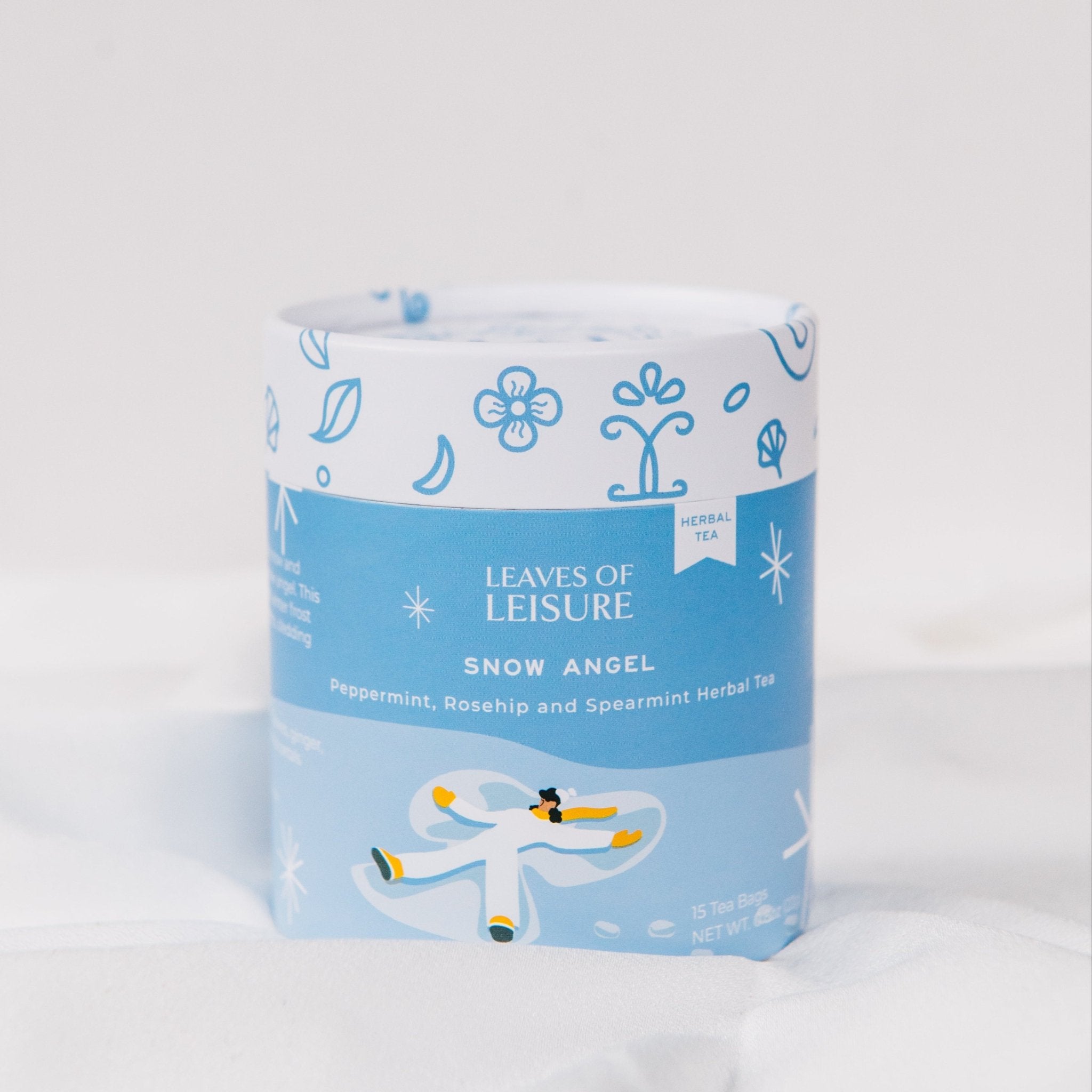
Peppermint is a classic for the tight, banded feeling of a tension headache. Menthol has a cooling, muscle-relaxing effect. Peppermint oil dabbed on the temples has the most evidence, but a warm minty cup is a lovely, gentle companion. Our Snow Angel blend, peppermint with spearmint and ginger, is the best go-to here.
Why caffeine-free matters
Caffeine is complicated with headaches. It can help in the moment, but relying on it can lead to rebound headaches when you skip it. A caffeine-free tea lets you soothe and hydrate without that rollercoaster.
A simple headache ritual
- Drink a full glass of water first.
- Brew a warm, caffeine-free cup and find a quiet, dim spot.
- Breathe slowly. Easing tension calms the nervous system, and your head with it.
- Rest your eyes for a few minutes while you sip.
Frequently asked questions
What is the best tea for a headache? Ginger has the strongest research, especially for migraines and nausea. Peppermint is the classic choice for tension headaches.
Should I avoid caffeine? Caffeine can help occasionally but cause rebound headaches with regular use. Caffeine-free herbal tea avoids that cycle.
How quickly will it help? Everyone is different. Pair your cup with water, rest, and quiet for the best shot at relief.
A gentle reminder
This is wellness information, not medical advice. Herbal tea can be a soothing part of easing a headache, but if your headaches are severe, frequent, sudden, or come with other symptoms, please see your doctor.
Next time your head aches, meet Road Trip and Snow Angel in our tea shop.