Blog

Herbal Tea for Headaches: What to Sip When Your Head Hurts
An honest guide to herbal tea for headaches, from ginger for migraine to peppermint for tension headaches, plus the hydration-first ritual to try.
Learn more
The Best Herbal Teas for Gut Health (and a Happier Belly)
The best herbal teas for gut health and digestion, why peppermint and ginger actually work, and the caffeine-free blends to reach for when your belly needs a little love.
Learn more
Herbal Teas for Inflammation: The Roots and Spices Worth Steeping
The most studied anti inflammatory ingredients are simple kitchen plants, and they make a gorgeous cup. Here is what the research points to, plus the caffeine free blend I steep.
Learn more
Herbal Tea for Constipation: The Senna Leaf Truth
An honest guide to herbal tea for constipation, including senna leaf, the trusted botanical laxative in our Picnic in the Park blend, how to use it well, and gentle daily digestion support.
Learn more
Best Herbal Tea for High Blood Pressure: What to Know
Research suggests hibiscus tea may gently support healthy blood pressure. Here's what to know, which caffeine-free herbal teas to try, and the safety notes first.
Learn more
The Best Herbal Teas for Digestion & Bloating
Feeling heavy or bloated after meals? These caffeine-free herbal teas — peppermint, ginger, turmeric, and lemongrass — have long been used to gently soothe digestion.
Learn more
What to Drink Instead of Coffee: Caffeine-Free Swaps That Actually Satisfy
Cutting back on coffee? These caffeine-free swaps keep the warm, cozy morning ritual you love — minus the jitters and the crash.
Learn more
The TikTok Wellness Trends We Actually Stand Behind (And Our Take on the Rest)
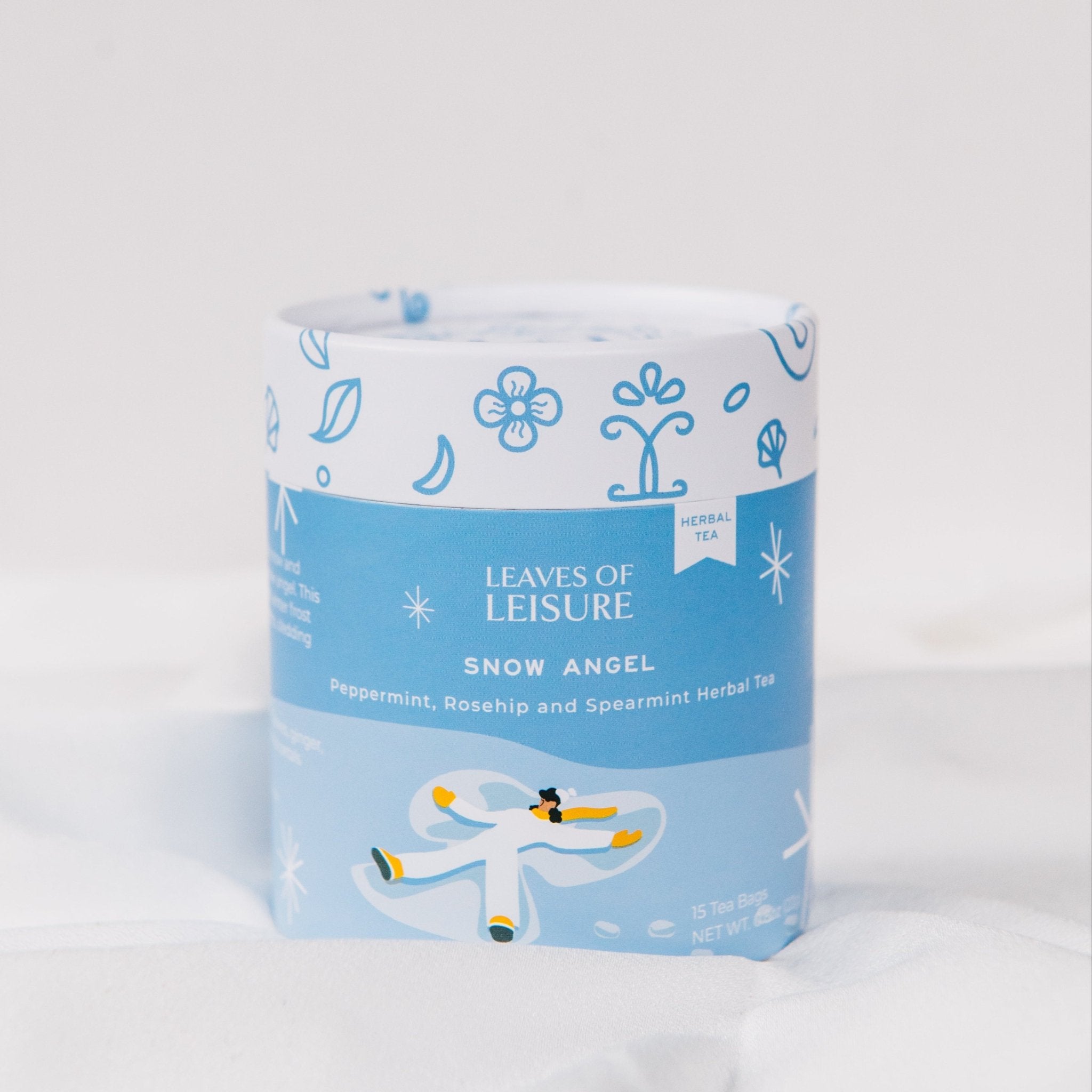
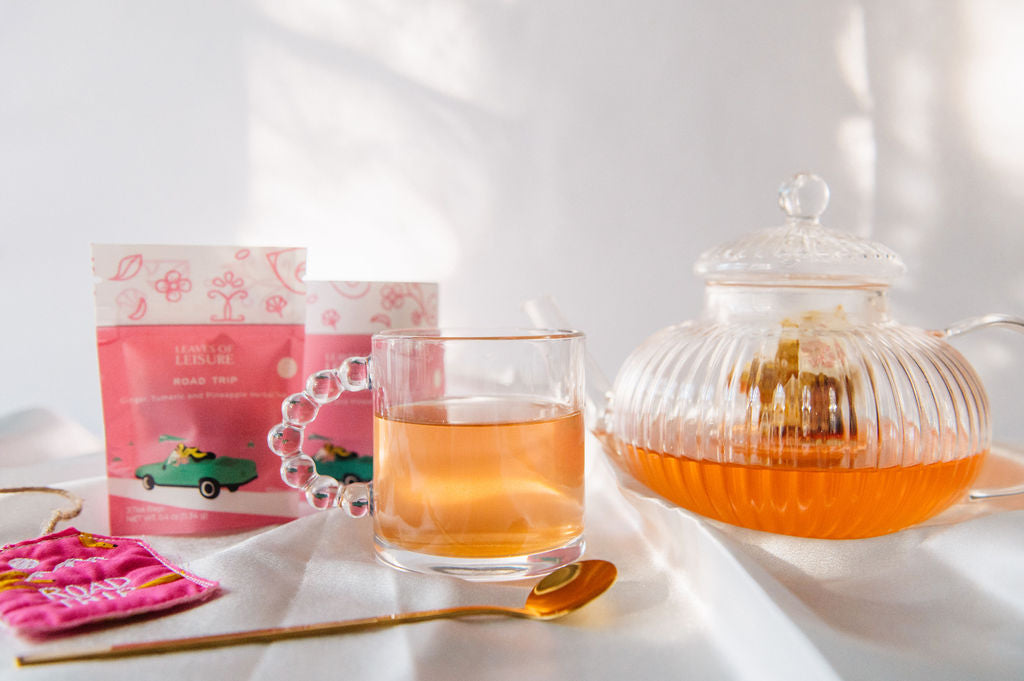
TikTok has turned wellness into a sport. Every week there's a new trend, a new "this changes everything" ingredient, a new ritual someone's claiming transformed their health in 30 days. And look — some of it is genuinely good. Some of it is noise. After spending way too long in the WellnessTok rabbit hole, here's our honest breakdown. Trends We're Actually Into The Sleepy Girl Mocktail Tart cherry juice + magnesium powder + sparkling water before bed? This one has actual science behind it. Tart cherry is one of the few foods with naturally occurring melatonin, and the ritual of having something intentional before bed genuinely supports wind-down. We've been pairing this with a warm mug of Snow Angel (peppermint, spearmint, ginger, rooibos, rosehip) — the mint clears your head, the rooibos grounds you, and together they make the whole pre-bed ritual feel like something you actually look forward to. Cortisol Everything The idea that chronic stress shows up in your body — through puffiness, breakouts, and dullness — isn't new, but TikTok made it accessible. Adaptogens like tulsi (holy basil) have long been used in Ayurvedic practice to support the body's stress response. Our Autumn Breeze blend features tulsi alongside cinnamon and ginger — warming, grounding, and worth reaching for when you feel the cortisol spiral starting. Quitting (Or Cutting Back On) Caffeine "Caffeine quitting" content is everywhere right now — people logging their first two weeks off coffee, reporting better sleep, less anxiety, more stable energy. The shift to herbal tea isn't about deprivation. It's about finding blends that give you something real — flavor, ritual, functional ingredients — without the crash. Which is kind of the whole point of what we do. The Hot Girl Walk Walking outside. That's the trend. And it's honestly one of the better ones — sunlight, movement, fresh air, time without a screen. We like to think of a good thermos of herbal tea as the official drink of the Hot Girl Walk. Road Trip (turmeric, ginger, pineapple) is especially good here — anti-inflammatory, bright, and the kind of thing that makes a 30-minute walk feel like more of an adventure. Trends Worth More Skepticism Anything Labeled "Detox" Your liver and kidneys are already detoxing. The supplement industry has leaned hard into detox language for decades, and most of it is marketing. What you can do is support your body's natural systems — staying hydrated, eating whole foods, sleeping enough, managing stress. Herbal tea fits into that picture beautifully. But it's not magic, and we'll never tell you it is. Extreme Elimination Protocols The more extreme the wellness trend, the less likely it is to stick — and the more likely it is to create a cycle of all-or-nothing. Small, consistent habits beat dramatic 30-day resets every time. If you're looking for somewhere to start: one intentional cup of herbal tea, morning or evening, is as good a place as any. The Bottom Line Most of what works in wellness isn't new. Sleep. Movement. Less caffeine. More water. A slower morning. The trends that actually gain traction usually have a layer of truth underneath the hype — they're just finding new language for old wisdom. We're here for the ones that help you slow down, tune in, and take better care of yourself. That's always been the point.
Learn more
Your Summer Caffeine Detox Starts Here: Why We're Going Herbal
Here's the thing nobody tells you about cutting back on caffeine in summer: it's actually the easiest time of year to do it. Your body is naturally more energized by longer days and warmer temperatures. You're (hopefully) sleeping better. And the case for cold, refreshing drinks that aren't coffee is, frankly, more compelling in July than it is in January. We're not anti-caffeine. We're pro-intention. And if you've been feeling anxious, not sleeping well, or experiencing that relentless mid-afternoon crash — summer is a genuinely good time to experiment with what happens when you ease off. What Actually Happens When You Reduce Caffeine The first few days can be rough — we'd be lying if we said otherwise. Headaches, fatigue, a general sense of "why did I do this" are common as your body adjusts. But for most people, that window is short (3–5 days), and what's on the other side tends to be worth it: Better sleep. Caffeine has a half-life of around 5–6 hours, which means that 3pm coffee is still 50% active in your system at 9pm. Cutting back — or at least pushing your last cup earlier — is one of the highest-leverage things you can do for sleep quality. More stable energy. The spike-and-crash cycle of caffeine can actually create the fatigue it's supposed to fix. Many people report steadier, more predictable energy once they're off the rollercoaster. Less anxiety. Caffeine directly stimulates the adrenal glands, which is the same system involved in the stress response. For anxiety-prone people especially, this connection is real and meaningful. Better hydration. Coffee and caffeinated tea are mild diuretics. Replacing even one cup with herbal tea means you're actively adding to your hydration, not drawing from it. The Herbal Tea Summer Strategy You don't have to go cold turkey (no pun intended). A few approaches that actually work: The swap. Replace your afternoon coffee with an herbal tea you genuinely enjoy. The ritual is the important part — give yourself something to look forward to. Road Trip (turmeric, ginger, pineapple) is especially good here — it's bright and energizing without any caffeine. The cold brew pitcher. Make a big batch of cold-brewed herbal tea on Sunday night. Having something ready in the fridge means you're not making a decision at 2pm when willpower is lowest — you're just pouring. Picnic in the Park cold-brews beautifully and tastes like a fancy juice. The mocktail moment. Give your afternoon something to look forward to. Cold-brewed low caffeinel tea + sparkling water + a squeeze of citrus is genuinely satisfying, and it fills the "something interesting in my hand" role that caffeine often gets appointed to by default. Try Sun Soaked this way — it's golden and citrusy and makes you feel like you're on a patio even if you're at your desk. What to Do When You Miss Coffee Sometimes you just want the ritual. The warm mug. The slow start. The thing that signals "okay, day is starting." That's not a caffeine craving, that's a routine craving — and herbal tea fills it just as well. Give yourself a few weeks before you decide whether this is working. Most people who try a month of reduced caffeine report not wanting to go back to where they started. Summer is a reset. This one might be worth trying.
Learn more