There's something about a tea party that feels almost rebellious in how unhurried it is. No one's checking their phone. No one's rushing to the next thing. You're just there — in the garden, on the porch, or in the living room with enough plants to fake it — with good company and something warm in your hands.
If you've ever wanted to host one but weren't sure where to start, here's your full guide: decor, themes, and a few recipes that will make the whole thing feel like it fell out of a storybook.
Step 1: Pick a Loose Theme (You Don't Need to Go All In)
A theme isn't about matching everything perfectly — it's about giving your choices a 'why.' A few whimsical directions that work beautifully for a garden setting:
- Cottagecore Picnic: Gingham linens, wildflowers in mismatched jars, vintage teacups that don't match on purpose.
- Fairy Garden: Fairy lights strung through branches, moss and greenery as table runners, tiny details like mini bud vases and butterfly place cards.
- Storybook Afternoon: Pastel palettes, oversized sun hats, a 'chapter' theme where each course is named after a part of a story.
- Golden Hour Garden: Warm, sun-drenched tones — ambers, dusty rose, soft gold — timed so the party peaks as the light gets that late-afternoon glow.
Pick the one that sounds most like you — whimsical works best when it doesn't feel forced.
Step 2: Decor That Does the Heavy Lifting
You don't need an elaborate setup to make it feel special. A few low-effort, high-impact choices:
- A mismatched table. Vintage or thrifted teacups, saucers, and small plates instantly create a 'collected over time' feeling — which reads as more charming than a matching set ever could.
- Flowers in unexpected vessels. Teapots, jam jars, vintage creamers — anything that wasn't 'made' to be a vase adds character.
- Layered textures on the table. A linen runner over a patterned tablecloth, cloth napkins tied with twine or ribbon, a few cushions on the chairs if you're outside.
- Something at eye level. Bunting, ribbon streamers, or hanging greenery draws the eye up and makes the setting feel more immersive — the detail that tends to make people say 'wait, this is so cute' the second they arrive.
Step 3: Build a Tea Menu People Will Actually Talk About
This is where you get to have fun:
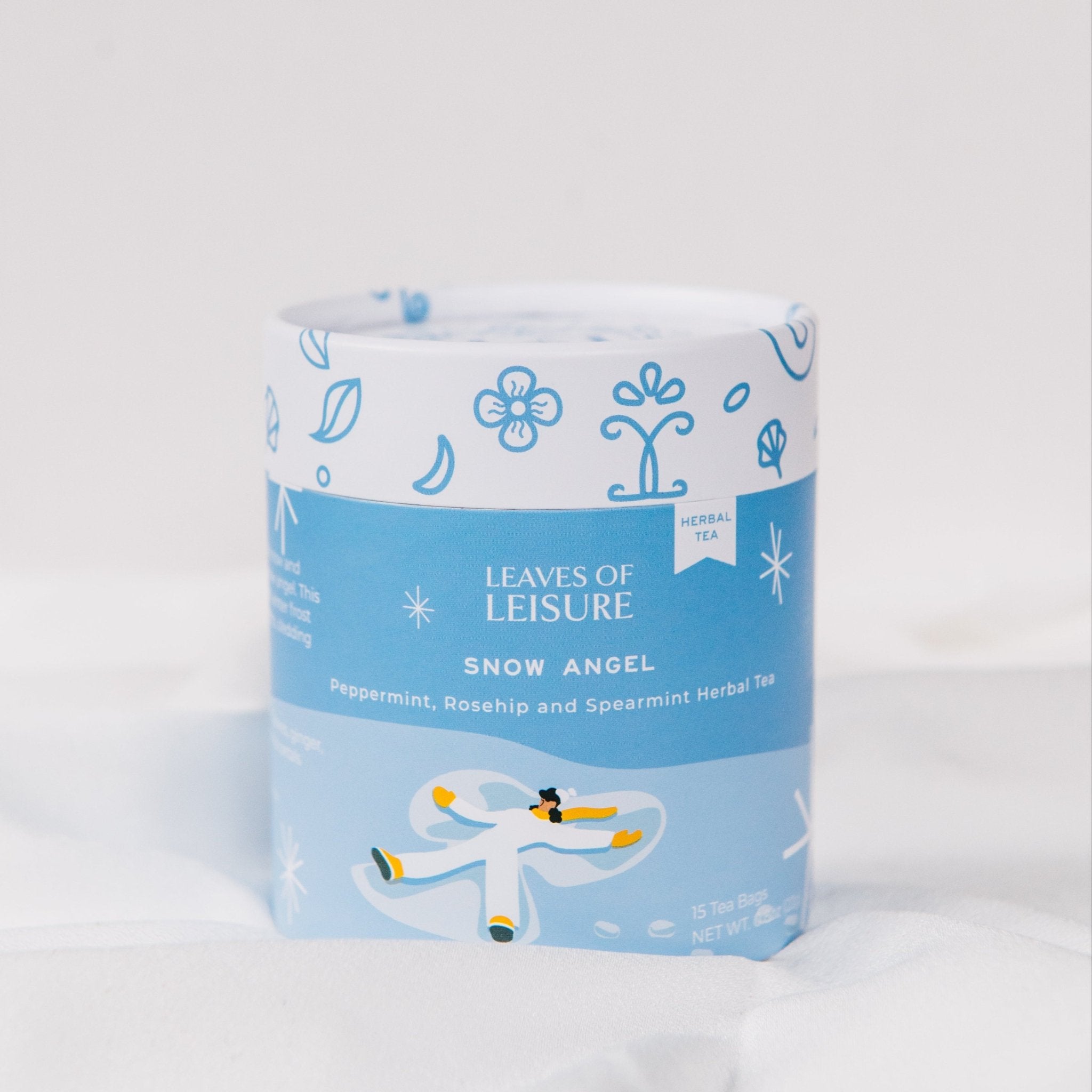
- Offer 2–3 blends, not 10. A curated selection feels intentional; an overwhelming one feels chaotic. Pair a bright, citrusy option (like Sun Soaked) with something cozier (like Apple Picking) and one caffeine-free, evening-friendly pick (like Snow Angel) so there's something for every guest and every part of the afternoon.
- Make it interactive. Set out little bowls of honey, lemon wheels, fresh mint, and edible flowers so guests can 'build their own' cup — it doubles as a conversation starter.
- Add an iced option. Even in cooler weather, one chilled pitcher (a big-batch brew of Hibiscus, garnished with berries and citrus) gives the table visual variety and a refreshing option for anyone who wants it.
Step 4: A Few Recipes to Round Out the Table
- Lavender Shortbread Cookies — simple, elegant, and they pair beautifully with floral tea blends.
- Mini Cucumber & Herb Tea Sandwiches — classic for a reason; light enough not to compete with dessert.
- Lemon-Honey Drizzle Cake — a single cake, sliced thin, feels more 'tea party' than a tray of assorted sweets.
- A Berry & Edible Flower Platter — minimal effort, maximum 'wow,' and it gives the table color without requiring you to bake a single thing.
Step 5: Let It Be Imperfect
Here's the part that actually matters most: the 'whimsical' feeling doesn't come from everything being perfect. It comes from everyone slowing down enough to actually notice where they are. Light a few candles even if it's daytime. Let the conversation wander. Refill the pot slowly. That unhurried feeling is the entire point — and it's the part your guests will remember long after the cookies are gone.