Blog

How to Cold Brew Herbal Tea (It's Easier Than You Think)
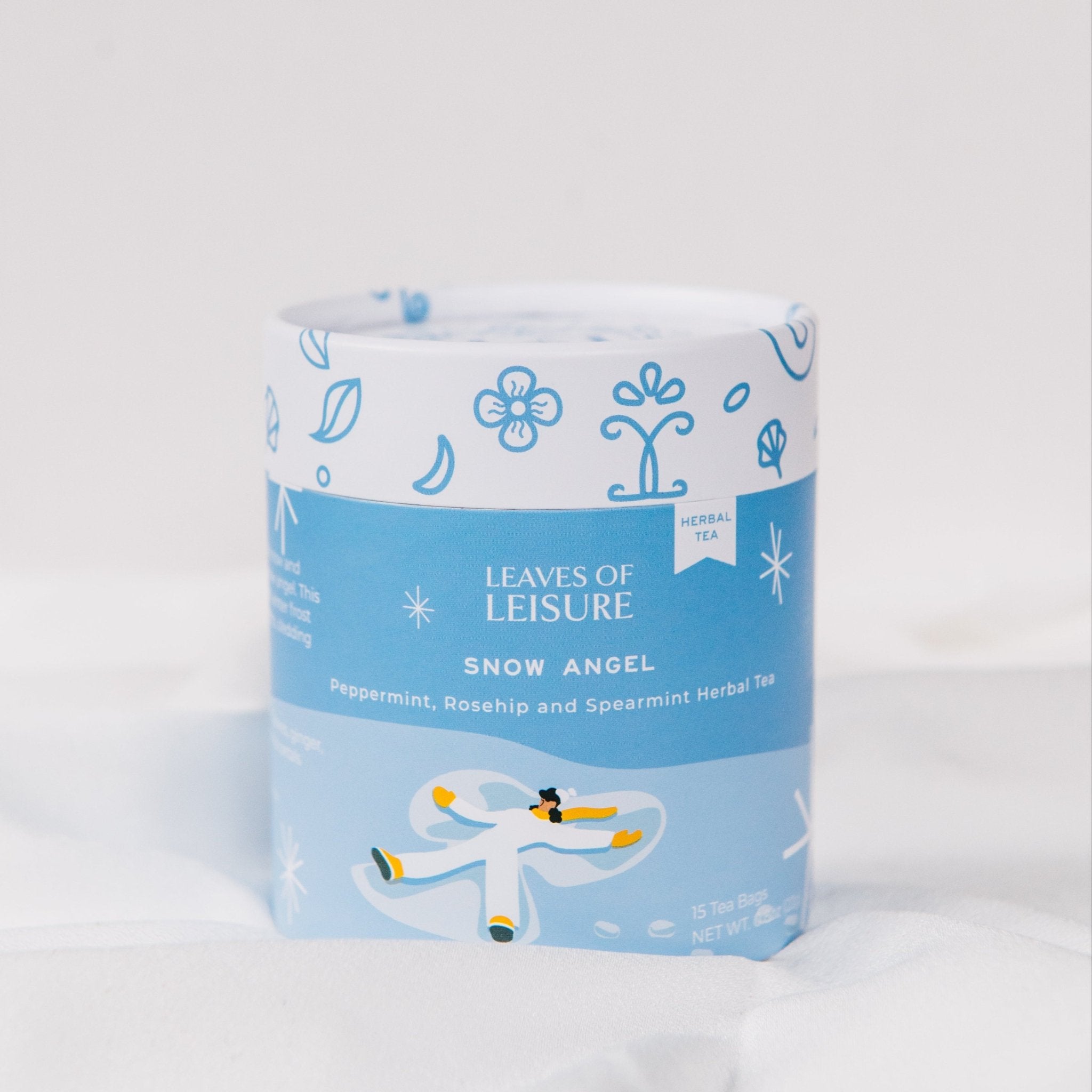
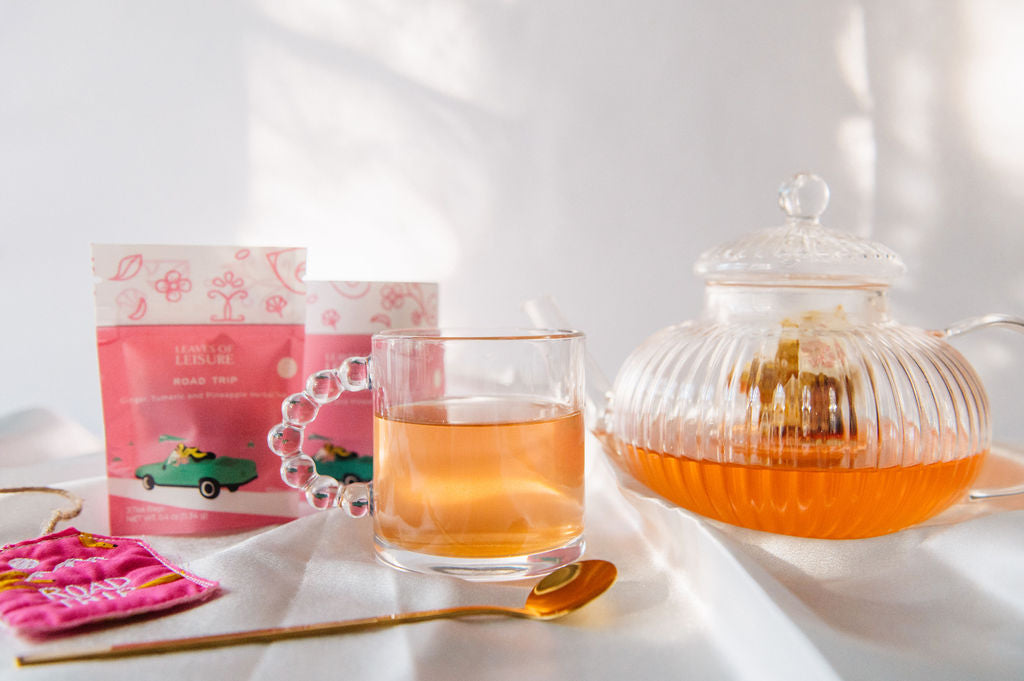
Cold brew tea is one of those things that sounds fancier than it is. It's also — genuinely — one of the best things you can do for your herbal tea in summer. Here's exactly how to do it, and why it's worth the small amount of effort. What Is Cold Brew Tea (And Why Does It Taste Different)? Traditional hot brewing extracts compounds from tea leaves quickly using heat. Cold brewing does the same thing over a much longer period — usually 6 to 12 hours in the fridge — using cool water instead. The result is noticeably different: smoother, less astringent, and often sweeter-tasting even without any added sugar. This happens because heat tends to pull more tannins from tea leaves, which create that slightly bitter, puckery quality. Cold water extracts more slowly and gently, leaving you with a cleaner, more delicate flavor. For herbal teas specifically, cold brewing is especially good — you get the full brightness of fruit notes, the natural sweetness of botanicals like hibiscus, and none of the muddiness that can happen when you brew hot and then chill. The Basic Method There's genuinely no special equipment required. Here's the simplest version: Place 1–2 tea bags (or 2 teaspoons loose leaf) per 8 oz of water into a pitcher, mason jar, or any container with a lid. Fill with cool, filtered water. Cover and refrigerate for 6–12 hours (overnight is the easiest schedule — make it before bed, it's ready in the morning). Remove the bags, pour over ice, and enjoy. That's it. You cannot really mess this up. The only real variable is how long you steep — longer means more flavor, but with herbals you have a lot of flexibility. Tasting after 6 hours and again after 12 gives you a sense of where you like it. The Best Leaves of Leisure Blends for Cold Brewing All of our blends cold brew beautifully, but a few are particularly magical this way: Picnic in the Park (Apple, Hibiscus, Pomegranate) — The fruit notes get incredibly bright cold-brewed. It tastes almost like a fancy juice without any of the sugar. Beautiful with a slice of lemon or a few fresh berries added to the pitcher. Road Trip (Turmeric, Ginger, Pineapple) — The turmeric and ginger mellow out beautifully in cold water, and the pineapple comes forward. It ends up tasting tropical and refreshing rather than spicy — which is a totally different experience from the hot version. Snow Angel (Peppermint, Spearmint, Ginger, Rooibos, Rosehip) — Cold-brewed mint tea is one of the great underrated summer drinks. It's clean, slightly sweet, and genuinely refreshing in a way that iced coffee never quite manages. A Few Tips Worth Knowing You can go longer than 12 hours. Herbal teas won't get bitter the way black tea can if you leave them too long. 24 hours is totally fine if you forget about it. Make a concentrate. Use double the tea and half the water, steep for 8–12 hours, then dilute with water or sparkling water when serving. This is great for batch-making — a small jar of concentrate in the fridge means iced tea is always a few seconds away. Try sparkling water. Cold-brewed herbal tea + sparkling water + a squeeze of citrus is one of the best zero-effort mocktails in existence. Particularly good with Picnic in the Park or Road Trip. No need to add sweetener, but you can. A drizzle of honey stirred into warm water first (to dissolve it), then mixed into your cold brew, adds a nice background sweetness without making it taste like a candy. Why Bother When You Could Just Brew Hot and Ice It? Totally valid approach — and sometimes that's exactly what you should do, especially if you want tea in the next five minutes. But if you have the time and the fridge space, cold brewing once a week and keeping a pitcher ready means you always have something good to reach for instead of a sugary drink. That accessibility is the whole point. The easier good-for-you things are to reach, the more consistently you'll actually reach for them. Try it once. It takes about two minutes of active effort and a night of patience. We think you'll keep doing it.
Learn more
Your Summer Caffeine Detox Starts Here: Why We're Going Herbal
Here's the thing nobody tells you about cutting back on caffeine in summer: it's actually the easiest time of year to do it. Your body is naturally more energized by longer days and warmer temperatures. You're (hopefully) sleeping better. And the case for cold, refreshing drinks that aren't coffee is, frankly, more compelling in July than it is in January. We're not anti-caffeine. We're pro-intention. And if you've been feeling anxious, not sleeping well, or experiencing that relentless mid-afternoon crash — summer is a genuinely good time to experiment with what happens when you ease off. What Actually Happens When You Reduce Caffeine The first few days can be rough — we'd be lying if we said otherwise. Headaches, fatigue, a general sense of "why did I do this" are common as your body adjusts. But for most people, that window is short (3–5 days), and what's on the other side tends to be worth it: Better sleep. Caffeine has a half-life of around 5–6 hours, which means that 3pm coffee is still 50% active in your system at 9pm. Cutting back — or at least pushing your last cup earlier — is one of the highest-leverage things you can do for sleep quality. More stable energy. The spike-and-crash cycle of caffeine can actually create the fatigue it's supposed to fix. Many people report steadier, more predictable energy once they're off the rollercoaster. Less anxiety. Caffeine directly stimulates the adrenal glands, which is the same system involved in the stress response. For anxiety-prone people especially, this connection is real and meaningful. Better hydration. Coffee and caffeinated tea are mild diuretics. Replacing even one cup with herbal tea means you're actively adding to your hydration, not drawing from it. The Herbal Tea Summer Strategy You don't have to go cold turkey (no pun intended). A few approaches that actually work: The swap. Replace your afternoon coffee with an herbal tea you genuinely enjoy. The ritual is the important part — give yourself something to look forward to. Road Trip (turmeric, ginger, pineapple) is especially good here — it's bright and energizing without any caffeine. The cold brew pitcher. Make a big batch of cold-brewed herbal tea on Sunday night. Having something ready in the fridge means you're not making a decision at 2pm when willpower is lowest — you're just pouring. Picnic in the Park cold-brews beautifully and tastes like a fancy juice. The mocktail moment. Give your afternoon something to look forward to. Cold-brewed low caffeinel tea + sparkling water + a squeeze of citrus is genuinely satisfying, and it fills the "something interesting in my hand" role that caffeine often gets appointed to by default. Try Sun Soaked this way — it's golden and citrusy and makes you feel like you're on a patio even if you're at your desk. What to Do When You Miss Coffee Sometimes you just want the ritual. The warm mug. The slow start. The thing that signals "okay, day is starting." That's not a caffeine craving, that's a routine craving — and herbal tea fills it just as well. Give yourself a few weeks before you decide whether this is working. Most people who try a month of reduced caffeine report not wanting to go back to where they started. Summer is a reset. This one might be worth trying.
Learn more
What to Sip While You Read: Summer Book List + Tea Pairings
There's a particular kind of afternoon that summer does best: the one where you have nowhere you absolutely have to be, something good to read, and something even better to sip. In the spirit of making those afternoons as perfect as possible, here are five books from my summer reading list — paired with the Leaves of Leisure tea blend that fits them best. Each pairing was chosen based on the mood, the pacing, and the feeling of the book — because the right tea, like the right playlist, can make you settle deeper into a story. 1. The Sicilian Inheritance by Jo Piazza Paired with: Picnic in the Park (Apple, Hibiscus, Pomegranate) This one is a sun-soaked mystery — family secrets, the Sicilian countryside, a woman piecing together who she really is. It has that quality of great summer fiction where the setting is practically a character. Picnic in the Park is the obvious choice: bright, fruity, and a little unexpected around every corner. Cold-brew a pitcher of it and let it be your companion through the whole thing. The hibiscus will turn it the most beautiful shade of red, which feels appropriate for a book this atmospheric. 2. Wild Reverence by Rebecca Ross Paired with: Road Trip (Turmeric, Ginger, Pineapple) A book about the natural world and our place in it calls for something earthy, functional, and a little adventurous. Road Trip is the blend we reach for when we want to feel grounded and energized at the same time — turmeric and ginger are both anti-inflammatory powerhouses, and the pineapple keeps it feeling bright rather than medicinal. Read this one outside if you can. Sit in the grass. Take your tea with you. 3. The Beautiful and the Damned by F. Scott Fitzgerald Paired with: Sun Soaked (Green Maté, Apple, Hibiscus) If you haven't revisited Fitzgerald as an adult, this summer is the time. The Beautiful and the Damned is sharper, sadder, and more prescient than its reputation suggests. It has a certain gilded restlessness that calls for something with a little energy but not a lot of noise. Sun Soaked is our one blend with a gentle caffeine lift (from green maté) — just enough to keep you alert through Fitzgerald's long, glittering sentences without tipping into jittery. Golden and citrusy, it feels right for the era. 4. The Obstacle Is the Way by Ryan Holiday Paired with: Autumn Breeze (Tulsi, Cinnamon, Ginger) Holiday's modern take on Stoic philosophy is the kind of book you underline. It's about turning difficulty into fuel — which requires a certain groundedness to absorb properly. Autumn Breeze is built around tulsi, also known as holy basil and one of Ayurveda's most respected adaptogens for stress resilience. Paired with warming cinnamon and ginger, it's the kind of cup that makes you feel like you can handle what's in front of you. Read this one in the morning, with intention. 5. Unf*ck Yourself by Gary John Bishop Paired with: Snow Angel (Peppermint, Spearmint, Ginger, Rooibos, Rosehip) This book is a swift kick of perspective delivered with a Scottish accent (if you listen to the audiobook). It's direct, a little confrontational, and genuinely useful. Snow Angel matches the energy: crisp, clear, slightly bracing. Peppermint and spearmint are naturally clarifying — they're the kind of flavors that make you sit up a little straighter. Cold-brew this one, add some sparkling water, and read Bishop's chapters like you mean it. A Few More Summer Reading Notes The best reading is the kind where time disappears. Tea helps with that — having something to sip slows you down and makes a two-hour afternoon feel luxurious rather than indulgent. If you're building a summer reading ritual, start there: pick a blend, pick a time of day, pick a spot. The books will take care of the rest. We'd love to know what you're reading this summer — drop it in the comments or tag us. We're always looking for the next great recommendation.
Learn more