Blog

The Best Cozy Fall Teas to Sip This Autumn
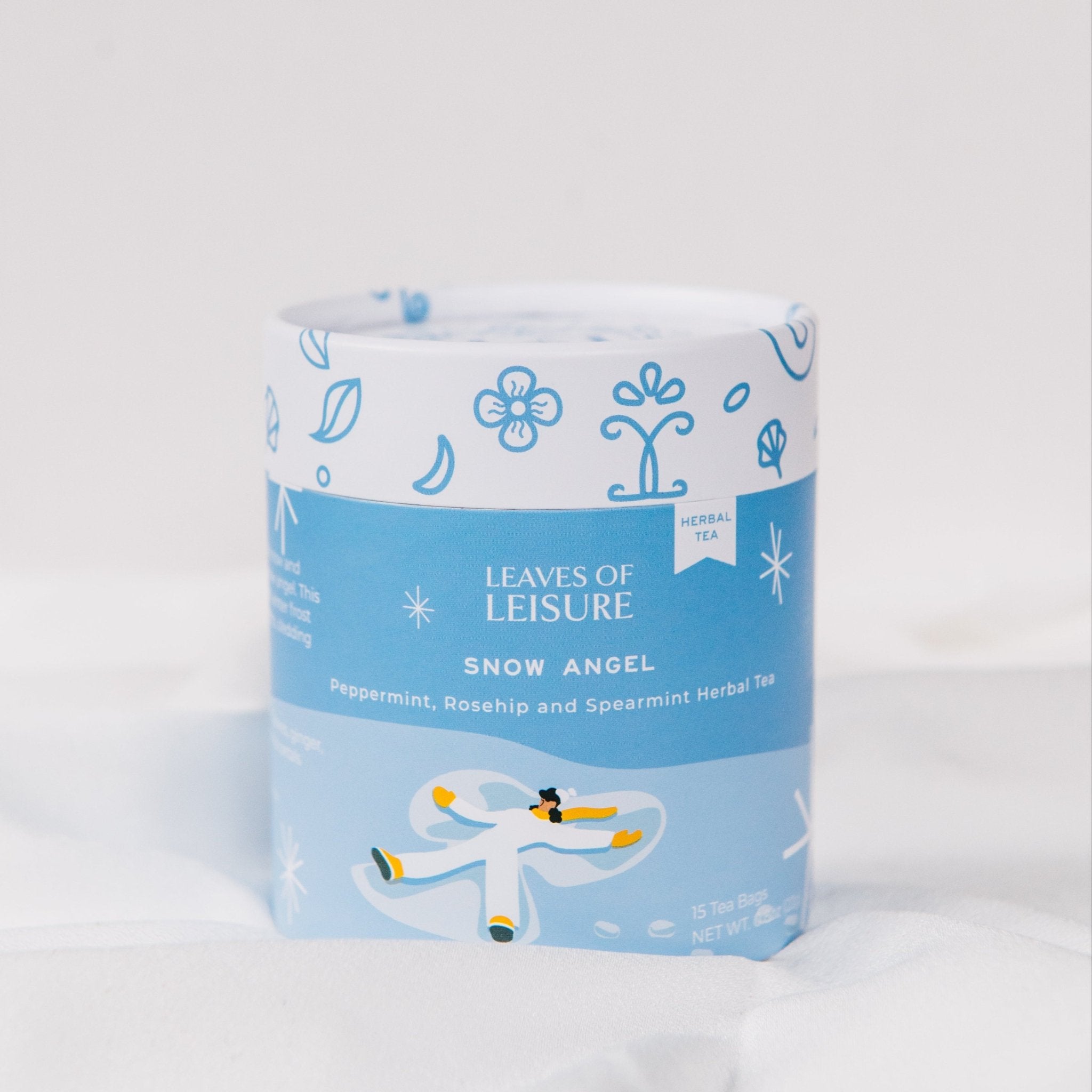
There is a certain magic to the first cool morning of fall. The light softens, the air turns crisp, and suddenly a hot mug feels less like a habit and more like a small ritual. Fall is tea season at its coziest, and the right blend can make an ordinary afternoon feel like a warm sweater. Here are the herbal teas to reach for as the leaves start to turn. What makes a tea taste like fall? Fall flavors tend to share a few warm, comforting notes: apple, cinnamon, maple, ginger, and spice. They are the flavors of orchards and baking and cozy kitchens. The best part is that you do not need caffeine to enjoy them. A good herbal blend delivers all the warmth and none of the jitters, which makes it perfect from breakfast straight through to a wind-down evening. The coziest fall blends to reach for Apple Picking. Apple, cinnamon, and hibiscus, this one tastes like a hayride in a cup. It is the closest thing to a slice of warm apple pie you can pour, and it is a natural for the first crisp days of the season. Autumn Breeze. A warming blend of tulsi, ginger, and cinnamon, Autumn Breeze is spiced, soothing, and grounding. Tulsi, also known as holy basil, has long been loved in wellness traditions, which makes this one feel as comforting as it tastes. Sunday Pancakes. Rooibos, banana, and maple come together into something that drinks like a lazy weekend breakfast. Steep it with a splash of milk and a drizzle of maple and it becomes the coziest caffeine-free latte you will make all season. Snow Angel. Peppermint, rosehip, and rooibos give this one a bright, cooling finish. As the holidays creep closer, it is a refreshing counterpoint to all the heavier spices, and it settles beautifully after a big meal. Easy ways to make fall teas feel extra cozy Turn any of them into a latte with steamed milk, a little maple or honey, and a dash of cinnamon. Add a cinnamon stick or a few apple slices to the pot as it steeps. Brew a big batch and keep it warm for a crowd on a chilly weekend morning. Pair a spiced blend with something baked, like banana bread, apple muffins, or a cinnamon roll. Frequently asked questions Are fall herbal teas caffeine free? Our fall blends are herbal and caffeine free, so you can enjoy them any time of day, morning, afternoon, or right before bed. What is the best fall tea for beginners? Apple Picking is an easy favorite. Its apple and cinnamon notes are familiar and comforting, and it is delicious plain or as a latte. Can I drink fall teas iced? Absolutely. Many of these are lovely cold brewed, though the warm, spiced notes really shine in a hot mug once the weather cools. The bottom line Fall is the season to slow down and savor, and a cozy cup is the easiest way to do it. Reach for Apple Picking, Autumn Breeze, Sunday Pancakes, or Snow Angel, and let your kitchen smell like the season. Explore the whole lineup in our tea shop.
Learn more
Lemongrass Tea Benefits: What It Does and How to Brew It
Bright, citrusy, and just a little bit grassy, lemongrass is one of those ingredients that makes a cup of tea feel instantly refreshing. It has been brewed for centuries across Southeast Asia and beyond, and it is having a real moment again as more people look for flavorful, caffeine-free teas that also do something good for the body. Here is a look at the benefits of lemongrass tea, how to brew it, and the blend to reach for. What is lemongrass tea? Lemongrass tea is an herbal infusion made from the stalks and leaves of the lemongrass plant. It is naturally caffeine free, with a light lemony aroma and a clean, slightly sweet finish. Because it is so gentle, it works beautifully on its own or paired with other calming, citrusy botanicals. The benefits of lemongrass tea Lemongrass has a long history in traditional wellness, and modern interest has followed. While it is not a cure for anything, here are the reasons people reach for it. It may support digestion. Lemongrass has traditionally been sipped after meals to ease bloating and settle the stomach, which makes it a lovely choice when you are feeling heavy or overfull. It is calming. The warm, citrusy aroma is soothing, and a cup is an easy way to slow down and unwind at the end of the day. It is rich in antioxidants. Lemongrass contains plant compounds that act as antioxidants, which help the body handle everyday oxidative stress. It is a hydrating, caffeine-free swap. Since it has no caffeine, lemongrass tea is an easy way to add flavor to your day and stay hydrated without the jitters, morning or night. It is refreshing hot or iced. That bright citrus note holds up beautifully over ice, which makes it a natural for summer. How to brew lemongrass tea For a hot cup, steep a lemongrass blend in just-boiled water for five to seven minutes, then sweeten with a little honey if you like. For iced, brew it a touch stronger, let it cool, and pour over ice with a slice of lemon. It is forgiving and hard to over-steep, so you can let it go a little longer for a bolder cup. The blend to reach for Our Bath Time blend puts lemongrass front and center, alongside sage and tangerine, for a soft, spa-like cup that is as soothing as its name suggests. It is a favorite for winding down in the evening, and just as good iced on a warm afternoon. If lemongrass is what you are after, that is where to start. Frequently asked questions Does lemongrass tea have caffeine? No. Lemongrass tea is naturally caffeine free, so it is a good choice any time of day, including before bed. When is the best time to drink lemongrass tea? Whenever you like. Many people enjoy it after meals to feel settled, or in the evening to relax. Are there any side effects? Lemongrass tea is generally well tolerated in normal amounts. If you are pregnant, nursing, or taking medication, it is always wise to check with your doctor first. Can you drink lemongrass tea every day? For most people, a daily cup or two fits easily into a healthy routine. The bottom line Lemongrass tea is bright, calming, and endlessly easy to love, hot or over ice. If you want to give it a try, reach for our Bath Time blend, or explore the rest of our caffeine-free options in the tea shop.
Learn more
How to Make Sun Tea (and Is It Safe to Drink?)
There is something wonderfully old-fashioned about sun tea. You fill a big glass jar with water and tea, set it on the porch or windowsill, and let the summer sun do the brewing. No kettle, no stove, just a slow steep and a little patience. It is the kind of low-effort ritual that fits a hot afternoon perfectly. Before you set out your jar, though, it helps to know how to make sun tea well, and how to make it safely. What is sun tea? Sun tea is simply tea brewed with sunlight instead of hot water. The warmth of the sun gently heats the water over a few hours and slowly draws out the flavor and color of the tea. The result is smooth, mellow, and less likely to turn bitter than a hot brew, which is part of why it has stayed a summer favorite for generations. Is sun tea safe to drink? This is the part worth being honest about. Because sun tea brews at warm rather than boiling temperatures, the water may never get hot enough to kill off bacteria that can grow in that gentle heat. It is usually fine, but the risk is real enough to take a few simple precautions. Herbal, caffeine-free blends are a great choice here, and a little care goes a long way. To brew sun tea safely: Start with a scrupulously clean glass jar with a lid. Use fresh, cold water and sealed tea bags rather than loose leaf floating around. Brew for no longer than three to four hours, and bring the jar in before it sits too long. Refrigerate the tea as soon as it is done, and drink it within a day. If the tea ever looks thick, cloudy, or ropey, or smells off, pour it out. That is a sign of bacterial growth. If you would rather skip the guesswork entirely, cold brewing in the refrigerator gives you the same smooth, mellow cup with none of the warm-water worry. More on that below. How to make sun tea, step by step Fill a clean half-gallon glass jar with about 6 to 8 cups of cold water. Add 4 to 6 herbal tea bags. As a rule of thumb, use one bag per cup of water. Cover the jar with a lid or cloth and set it in direct sun for three to four hours. Once it has reached a color and strength you like, remove the tea bags. Refrigerate right away, then serve over plenty of ice. Finish with a squeeze of lemon, a drizzle of honey, or a sprig of mint. The best teas for sun tea Herbal, caffeine-free blends are the natural fit for sun tea, both for safety and for that bright, refreshing summer flavor. Reach for Sun Soaked, our green mate, apple, and hibiscus blend that was practically made for a sunny jar, or Bath Time, a soothing mix of lemongrass, sage, and tangerine. Picnic in the Park brings apple and hibiscus, and Snow Angel offers a cool, minty finish. Any of them make a beautiful, colorful pitcher. An alternative: cold brew If the safety question gives you pause, cold brewing is the easy answer. Steep the same tea bags in cold water in the refrigerator overnight, about eight hours, and you get a smooth, well-chilled tea without ever entering the warm temperature range where bacteria thrive. It is the method to reach for most on repeat all summer. Frequently asked questions How long does sun tea take to brew? Usually three to four hours in direct sun. Keep an eye on the color and pull the bags once it looks right. Is sun tea actually safe? It can be, with care. Use a clean jar, brew no more than three to four hours, refrigerate immediately, and drink within a day. When in doubt, cold brew in the fridge instead. How long does sun tea last? Drink it within 24 hours and keep it refrigerated. Toss it if it looks cloudy or ropey. Can you make sun tea with herbal tea? Yes, and herbal, caffeine-free blends are the best choice for both flavor and peace of mind. The bottom line Sun tea is a simple summer pleasure, and a little know-how keeps it a safe one. Brew it clean, brew it short, chill it fast, and reach for a bright herbal blend. Find your favorite in our Summer Shop, or browse them all in our tea shop.
Learn more
Frozen Hibiscus Iced Tea Slushie: An Easy Summer Mocktail
There is a specific kind of August afternoon that no hot mug can compete with. The air is thick, the humidity is unrelenting, and the heat simply will not quit. On days like that, tea does not have to be hot to be wonderful. Blend it with ice and a little fruit, and it becomes the most refreshing thing in the house. This frozen hibiscus iced tea slushie is part mocktail, part grown-up slushie, and exactly what those sticky late-summer days call for. It starts with Sun Soaked, our low-caffeine blend of green mate, apple, and hibiscus. The hibiscus gives it a gorgeous rosy color and a bright, tart snap, the apple rounds it out with a little sweetness, and the green mate adds the gentlest lift. Frozen into a slushie, it tastes like a hibiscus frose without a drop of alcohol, though there is an easy way to add some when the occasion calls for it. Why cold brew is the secret Skip the kettle here. Brewing hot means waiting ages for the tea to cool, and pouring warm tea over ice just melts it into something watery and sad. Cold brewing solves both problems. Steeped slowly overnight in the fridge, the tea comes out smooth, deeply colored, and never bitter, which is exactly what you want before it hits the blender. It is almost no work, you simply start the night before. What you will need 2 Sun Soaked tea bags 8 to 10 ounces cold water 1 to 2 tablespoons honey or simple syrup, to taste 1 tablespoon fresh lemon or lime juice 1.5 to 2 cups ice Fresh mint or basil, to garnish Optional: a splash of rose or prosecco How to make it 1. The night before, add the 2 tea bags to 8 to 10 ounces of cold water and let them steep in the fridge overnight, at least 8 hours. 2. In the morning, remove the tea bags and stir in the honey or simple syrup until it dissolves, then add the lemon or lime juice. 3. Pour the cold brew into a blender with the ice and blend until slushy and smooth. 4. Pour into a glass and garnish with a sprig of fresh mint or basil. 5. Sip slowly and enjoy the fact that you planned ahead. Make it a weekend treat For a grown-up version, blend in a splash of rose or prosecco at the end, or float it on top after pouring. It makes a lovely after-work wind-down or a slow weekend pour on the porch. The apple and hibiscus play so nicely with a dry rose that most people will not believe it started as a cup of tea. Easy variations Muddle a few fresh raspberries or strawberries into the glass for a berry-hibiscus twist. Swap the honey for a spoonful of peach or apricot jam to lean into late-summer stone fruit. Freeze a batch of the cold brew in an ice cube tray, then blend the tea cubes straight for an even more intense color and flavor. Frequently asked questions Why cold brew instead of hot? Hot tea takes forever to cool and melts your ice when you blend it, leaving you with a watery slushie. Cold brewing overnight gives you a smooth, strong, well-chilled base that blends into a proper slushie without any dilution. Can I make the base ahead of time? Yes. The cold brew keeps in the fridge for a couple of days, so you can steep a batch and blend a fresh slushie whenever the craving hits. Is it caffeinated? Only lightly. Sun Soaked is a low-caffeine blend thanks to the green mate, so it gives a soft lift rather than a jolt, which makes it a great afternoon or early-evening drink. What if I do not have a blender? Pour the sweetened cold brew over a tall glass of crushed ice for an iced hibiscus tea instead. Not quite a slushie, but just as refreshing. The bottom line A frozen hibiscus slushie is proof that herbal tea belongs in your summer just as much as it belongs in your winter. Reach for Sun Soaked, start it the night before, and give yourself something cold, pink, and a little bit special when August turns up the heat. Find it in our Summer Shop, and browse the rest of the blends in our tea shop.
Learn more
Herbal Tea for Headaches: What to Sip When Your Head Hurts
An honest guide to herbal tea for headaches, from ginger for migraine to peppermint for tension headaches, plus the hydration-first ritual to try.
Learn more
Herbal Teas for Hormone Balance: What Actually Helps
An honest, science-aware look at herbal teas and hormone balance, from spearmint for PCOS to sage for menopause, and when to see a doctor.
Learn more
The Best Herbal Teas for Gut Health (and a Happier Belly)
The best herbal teas for gut health and digestion, why peppermint and ginger actually work, and the caffeine-free blends to reach for when your belly needs a little love.
Learn more
What No Microplastics Really Means for Your Tea Bags
Many tea bags are made partly from plastic that sheds particles in hot water. Here is what that means, and why our bags are BPI-certified corn mesh, compostable, and free of microplastics.
Learn more
Herbal Teas for Inflammation: The Roots and Spices Worth Steeping
The most studied anti inflammatory ingredients are simple kitchen plants, and they make a gorgeous cup. Here is what the research points to, plus the caffeine free blend I steep.
Learn more