Blog

The Best Herbal Teas for Immune Support This Cold Season
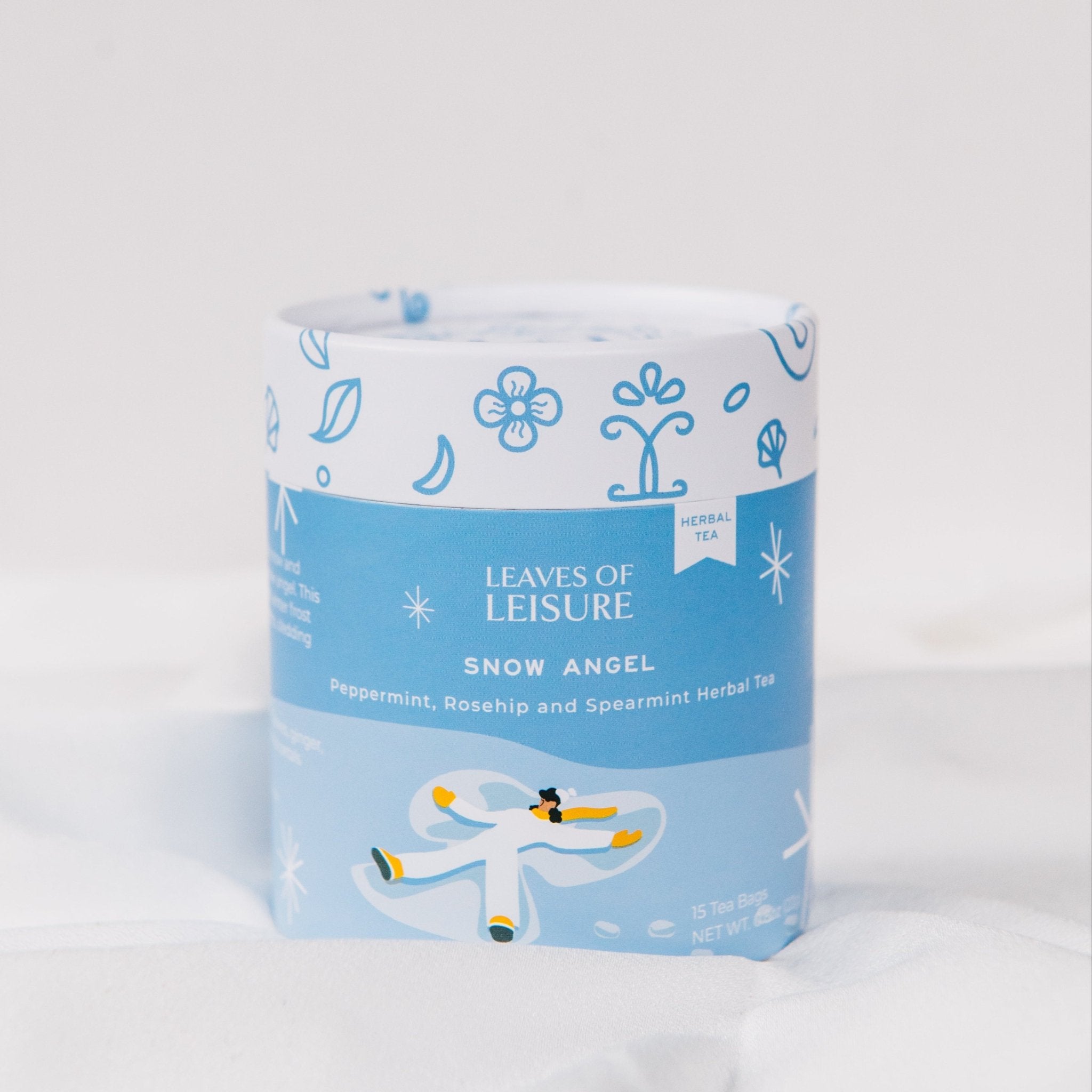
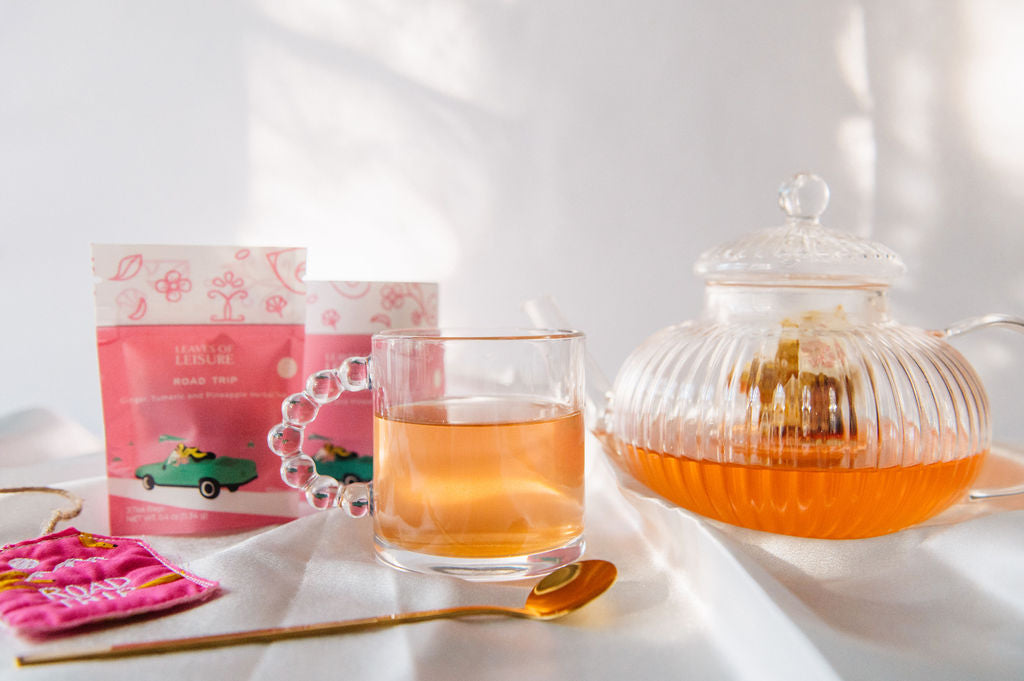
As the temperature drops and the sniffles start making their rounds, a warm mug of tea becomes more than a comfort. The right herbal blends have been leaned on for generations to help the body feel supported through cold and flu season. Tea is not a cure, but a soothing, hydrating cup can be a lovely part of taking care of yourself when everyone around you is coming down with something. Here are the blends to reach for. How can herbal tea support your immune system? A few simple things make tea a natural ally in the colder months. Staying well hydrated helps your body function at its best, and a warm drink is an easy, comforting way to get there. Many herbs traditionally used for wellness, like ginger, turmeric, and tulsi, are rich in antioxidants, the plant compounds that help the body handle everyday stress. And there is the simple comfort of it: a warm mug soothes a scratchy throat and gives you a moment to rest, which is exactly what your body wants when it is fighting something off. The best herbal teas for cold season Autumn Breeze. With tulsi, ginger, and cinnamon, this blend is a cold-season classic. Tulsi, or holy basil, has a long history in wellness traditions, and ginger adds a warming kick that feels wonderful on a raw day. Road Trip. Ginger, turmeric, and pineapple make this one a bright, golden, warming cup. Ginger and turmeric are two of the most beloved roots in the wellness world, and together they are as soothing as they are flavorful. Snow Angel. Peppermint, rosehip, and ginger give this blend a cooling, refreshing quality that feels especially good when you are congested. Peppermint is a classic for a stuffy nose, and rosehip is a traditional source of vitamin C. Simple habits to pair with your cup Sip throughout the day to stay hydrated, especially when the heat is running and the air is dry. Add a spoonful of honey and a squeeze of lemon to a warming blend for extra soothing comfort. Keep a caffeine-free blend on hand for evenings, so a late cup does not cost you the sleep your immune system needs most. Make a warm mug part of your wind-down routine when you feel run down. Frequently asked questions Can tea really boost my immune system? No tea is a magic shield, and we would never claim otherwise. What a good herbal tea can do is keep you hydrated, soothe a sore throat, and give you a warm, restful moment, all of which support your body while it does its job. Which tea is best for a sore throat? A warming ginger blend like Road Trip or Autumn Breeze, with a little honey stirred in, is wonderfully soothing. Peppermint-forward Snow Angel is a favorite when congestion is the main complaint. Are these teas caffeine free? Yes. These are herbal, caffeine-free blends, so you can sip them any time, including in the evening when rest matters most. The bottom line When cold season arrives, a warm, soothing cup is one of the kindest things you can do for yourself. Reach for Autumn Breeze, Road Trip, or Snow Angel, stay hydrated, and give yourself permission to rest. Browse the full collection in our tea shop.
Learn more
The Best Cozy Fall Teas to Sip This Autumn
There is a certain magic to the first cool morning of fall. The light softens, the air turns crisp, and suddenly a hot mug feels less like a habit and more like a small ritual. Fall is tea season at its coziest, and the right blend can make an ordinary afternoon feel like a warm sweater. Here are the herbal teas to reach for as the leaves start to turn. What makes a tea taste like fall? Fall flavors tend to share a few warm, comforting notes: apple, cinnamon, maple, ginger, and spice. They are the flavors of orchards and baking and cozy kitchens. The best part is that you do not need caffeine to enjoy them. A good herbal blend delivers all the warmth and none of the jitters, which makes it perfect from breakfast straight through to a wind-down evening. The coziest fall blends to reach for Apple Picking. Apple, cinnamon, and hibiscus, this one tastes like a hayride in a cup. It is the closest thing to a slice of warm apple pie you can pour, and it is a natural for the first crisp days of the season. Autumn Breeze. A warming blend of tulsi, ginger, and cinnamon, Autumn Breeze is spiced, soothing, and grounding. Tulsi, also known as holy basil, has long been loved in wellness traditions, which makes this one feel as comforting as it tastes. Sunday Pancakes. Rooibos, banana, and maple come together into something that drinks like a lazy weekend breakfast. Steep it with a splash of milk and a drizzle of maple and it becomes the coziest caffeine-free latte you will make all season. Snow Angel. Peppermint, rosehip, and rooibos give this one a bright, cooling finish. As the holidays creep closer, it is a refreshing counterpoint to all the heavier spices, and it settles beautifully after a big meal. Easy ways to make fall teas feel extra cozy Turn any of them into a latte with steamed milk, a little maple or honey, and a dash of cinnamon. Add a cinnamon stick or a few apple slices to the pot as it steeps. Brew a big batch and keep it warm for a crowd on a chilly weekend morning. Pair a spiced blend with something baked, like banana bread, apple muffins, or a cinnamon roll. Frequently asked questions Are fall herbal teas caffeine free? Our fall blends are herbal and caffeine free, so you can enjoy them any time of day, morning, afternoon, or right before bed. What is the best fall tea for beginners? Apple Picking is an easy favorite. Its apple and cinnamon notes are familiar and comforting, and it is delicious plain or as a latte. Can I drink fall teas iced? Absolutely. Many of these are lovely cold brewed, though the warm, spiced notes really shine in a hot mug once the weather cools. The bottom line Fall is the season to slow down and savor, and a cozy cup is the easiest way to do it. Reach for Apple Picking, Autumn Breeze, Sunday Pancakes, or Snow Angel, and let your kitchen smell like the season. Explore the whole lineup in our tea shop.
Learn more
Lemongrass Tea Benefits: What It Does and How to Brew It
Bright, citrusy, and just a little bit grassy, lemongrass is one of those ingredients that makes a cup of tea feel instantly refreshing. It has been brewed for centuries across Southeast Asia and beyond, and it is having a real moment again as more people look for flavorful, caffeine-free teas that also do something good for the body. Here is a look at the benefits of lemongrass tea, how to brew it, and the blend to reach for. What is lemongrass tea? Lemongrass tea is an herbal infusion made from the stalks and leaves of the lemongrass plant. It is naturally caffeine free, with a light lemony aroma and a clean, slightly sweet finish. Because it is so gentle, it works beautifully on its own or paired with other calming, citrusy botanicals. The benefits of lemongrass tea Lemongrass has a long history in traditional wellness, and modern interest has followed. While it is not a cure for anything, here are the reasons people reach for it. It may support digestion. Lemongrass has traditionally been sipped after meals to ease bloating and settle the stomach, which makes it a lovely choice when you are feeling heavy or overfull. It is calming. The warm, citrusy aroma is soothing, and a cup is an easy way to slow down and unwind at the end of the day. It is rich in antioxidants. Lemongrass contains plant compounds that act as antioxidants, which help the body handle everyday oxidative stress. It is a hydrating, caffeine-free swap. Since it has no caffeine, lemongrass tea is an easy way to add flavor to your day and stay hydrated without the jitters, morning or night. It is refreshing hot or iced. That bright citrus note holds up beautifully over ice, which makes it a natural for summer. How to brew lemongrass tea For a hot cup, steep a lemongrass blend in just-boiled water for five to seven minutes, then sweeten with a little honey if you like. For iced, brew it a touch stronger, let it cool, and pour over ice with a slice of lemon. It is forgiving and hard to over-steep, so you can let it go a little longer for a bolder cup. The blend to reach for Our Bath Time blend puts lemongrass front and center, alongside sage and tangerine, for a soft, spa-like cup that is as soothing as its name suggests. It is a favorite for winding down in the evening, and just as good iced on a warm afternoon. If lemongrass is what you are after, that is where to start. Frequently asked questions Does lemongrass tea have caffeine? No. Lemongrass tea is naturally caffeine free, so it is a good choice any time of day, including before bed. When is the best time to drink lemongrass tea? Whenever you like. Many people enjoy it after meals to feel settled, or in the evening to relax. Are there any side effects? Lemongrass tea is generally well tolerated in normal amounts. If you are pregnant, nursing, or taking medication, it is always wise to check with your doctor first. Can you drink lemongrass tea every day? For most people, a daily cup or two fits easily into a healthy routine. The bottom line Lemongrass tea is bright, calming, and endlessly easy to love, hot or over ice. If you want to give it a try, reach for our Bath Time blend, or explore the rest of our caffeine-free options in the tea shop.
Learn more
Herbal Tea for Headaches: What to Sip When Your Head Hurts
An honest guide to herbal tea for headaches, from ginger for migraine to peppermint for tension headaches, plus the hydration-first ritual to try.
Learn more
Herbal Teas for Hormone Balance: What Actually Helps
An honest, science-aware look at herbal teas and hormone balance, from spearmint for PCOS to sage for menopause, and when to see a doctor.
Learn more
The Best Herbal Teas for Gut Health (and a Happier Belly)
The best herbal teas for gut health and digestion, why peppermint and ginger actually work, and the caffeine-free blends to reach for when your belly needs a little love.
Learn more
What No Microplastics Really Means for Your Tea Bags
Many tea bags are made partly from plastic that sheds particles in hot water. Here is what that means, and why our bags are BPI-certified corn mesh, compostable, and free of microplastics.
Learn more
Herbal Teas for Inflammation: The Roots and Spices Worth Steeping
The most studied anti inflammatory ingredients are simple kitchen plants, and they make a gorgeous cup. Here is what the research points to, plus the caffeine free blend I steep.
Learn more
Herbal Tea for Constipation: The Senna Leaf Truth
An honest guide to herbal tea for constipation, including senna leaf, the trusted botanical laxative in our Picnic in the Park blend, how to use it well, and gentle daily digestion support.
Learn more